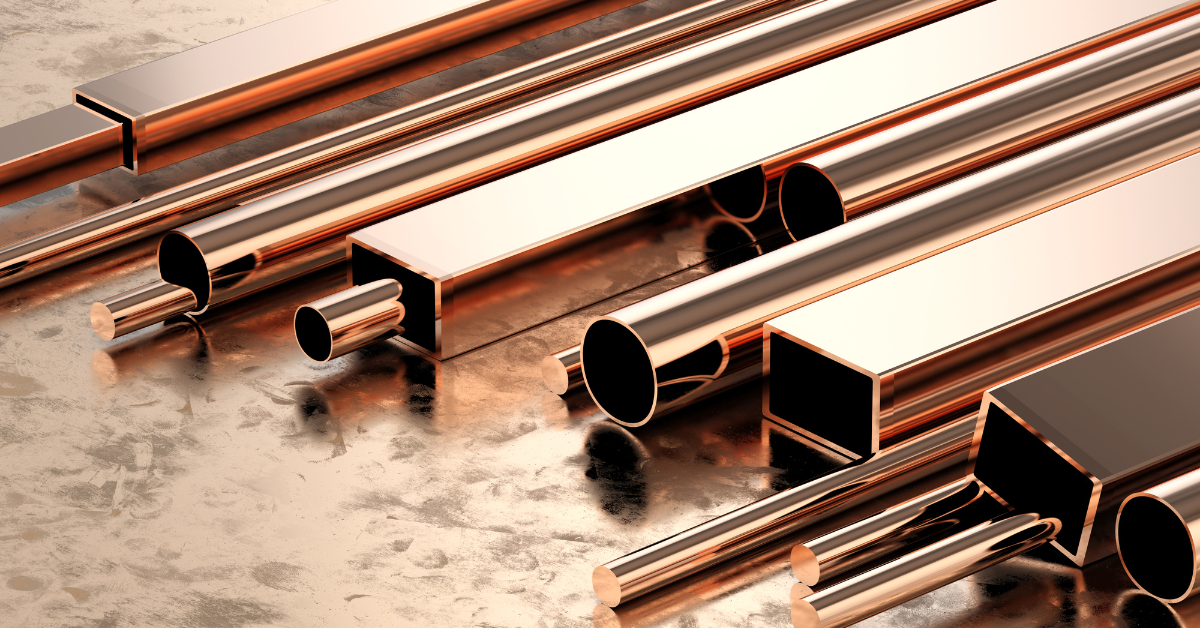
Intercoolers are vital in modern automotive, industrial, and aerospace applications because they manage heat efficiently, ensuring systems operate at peak performance. At the heart of every intercooler lies the choice of material. Intercooler materials define durability, weight, efficiency, and compatibility with different applications, from racing engines to industrial compressors. Understanding the science and engineering behind intercooler materials helps manufacturers and enthusiasts make informed decisions that optimize performance, longevity, and cost-effectiveness.
This in-depth guide explores the properties, applications, and comparisons of different intercooler materials, alongside their evolving role in advanced engineering.
What Are Intercooler Materials?
Intercooler materials are the metals, composites, and alloys used to manufacture intercooler cores, end tanks, and piping. These materials directly influence:
- Thermal Conductivity – How efficiently heat transfers from compressed air to the cooling medium.
- Strength and Durability – Resistance to pressure, vibration, and external damage.
- Weight – Impacts vehicle or system performance.
- Corrosion Resistance – Determines lifespan in harsh environments.
- Fabrication and Cost – Ease of manufacturing and affordability.
The right material balances these factors for its intended use.
Common Intercooler Materials
1. Aluminum
Aluminum is the most widely used material in intercooler design due to its balance of thermal efficiency, strength, and light weight.
Advantages:
- Excellent heat dissipation.
- Lightweight, ideal for performance and aerospace.
- Corrosion resistance with anodizing.
- Affordable compared to exotic metals.
- Easy to fabricate and weld.
Applications: Automotive intercoolers, turbocharger piping, aircraft cooling systems.
2. Stainless Steel
Stainless steel is less common for full intercooler cores but is often used in piping and specialized systems.

Advantages:
- Extremely durable and resistant to high pressures.
- Superior corrosion resistance, even in saltwater environments.
- Suitable for high-heat zones where aluminum might degrade.
Limitations:
- Heavier than aluminum.
- Lower thermal conductivity.
Applications: Marine intercoolers, industrial machinery.
3. Copper and Brass
Historically used in radiators and heat exchangers, copper and brass offer excellent thermal conductivity.
Advantages:
- Superior heat transfer properties.
- Long lifespan in controlled environments.
Limitations:
- Heavy compared to aluminum.
- Expensive.
- Corrosion issues without protective coatings.
Applications: Specialty heat exchangers, vintage or custom cooling systems.
4. Titanium
Titanium is used in niche, high-performance applications.
Advantages:
- Incredible strength-to-weight ratio.
- Exceptional corrosion resistance.
- Performs well in extreme environments.
Limitations:
- Extremely expensive.
- Harder to fabricate and weld.
Applications: Aerospace intercoolers, racing teams, military systems.
5. Plastic Reinforced Composites
Used in cost-sensitive mass production, particularly for intercooler end tanks.
Advantages:
- Lightweight and cost-effective.
- Moldable into complex shapes.
- Adequate for low to moderate pressures.
Limitations:
- Poor thermal conductivity.
- Limited durability under extreme conditions.
Applications: OEM intercoolers in passenger cars.
Parts of an Intercooler and Material Selection
Intercooler Core
- Typically aluminum for maximum thermal efficiency.
- Copper and brass in niche designs for better heat transfer but higher weight.
End Tanks
- Aluminum: Strong and durable, popular in aftermarket performance intercoolers.
- Plastic: Cost-effective for OEM designs.
- Stainless Steel or Titanium: Rare, used in high-stress applications.
Piping
- Aluminum Tubing: Lightweight, corrosion-resistant.
- Stainless Steel Tubing: Stronger, but heavier.
- Silicone Hoses: Provide flexibility between rigid sections.
Material Comparison Table
| Material | Thermal Conductivity | Weight | Corrosion Resistance | Cost | Common Use Case |
|---|---|---|---|---|---|
| Aluminum | High | Low | Good | Moderate | Automotive intercoolers, piping |
| Stainless Steel | Moderate | High | Excellent | High | Marine, industrial systems |
| Copper/Brass | Very High | High | Moderate | High | Specialty/custom cooling |
| Titanium | Moderate | Very Low | Excellent | Very High | Aerospace, racing |
| Plastic Composites | Very Low | Very Low | Variable | Low | OEM passenger cars (end tanks) |
The Role of Aluminum in Modern Intercoolers
Aluminum has become the industry standard, especially in performance-focused systems. Reasons include:
- Efficient Heat Dissipation: Rapidly reduces intake air temperature.
- Lightweight Construction: Critical in motorsports and aerospace.
- Ease of Fabrication: CNC machining, extrusion, and welding allow precision builds.
- Durability: Withstands moderate pressure and vibration.
Manufacturers also enhance aluminum intercoolers with coatings, such as ceramic or powder finishes, for added protection.
Challenges with Intercooler Materials
- Heat Resistance: Materials must withstand temperatures from 100°C to 300°C.
- Pressure Strength: Boosted engines create pressures exceeding 30 psi, requiring durable construction.
- Corrosion: Road salts, moisture, and environmental exposure affect longevity.
- Weight vs. Efficiency Trade-Off: Heavier materials may offer better cooling but reduce performance.
- Cost Factors: Exotic materials like titanium offer unmatched performance but are economically impractical for mass use.
Applications Across Industries
Automotive Industry
- Turbocharged Engines: Intercoolers reduce intake air temperature, preventing knock and improving efficiency.
- Motorsports: Lightweight aluminum cores dominate due to strict weight regulations.
- OEM Vehicles: Plastic-aluminum hybrid designs balance performance and cost.
Aerospace Industry
- Aircraft Turbines: Use titanium and high-grade aluminum for cooling compressed air.
- Spacecraft: Lightweight, high-strength alloys designed for extreme conditions.
Marine Industry
- Diesel Engines: Stainless steel and aluminum intercoolers resist saltwater corrosion.
- Offshore Applications: Corrosion-proof designs ensure reliability.
Industrial Applications
- Compressors: Intercoolers in large compressors often use copper-brass cores.
- Power Plants: Large-scale intercoolers manage turbine inlet temperatures.
Performance and Efficiency Considerations
Intercooler efficiency is a balance between material, design, and operating environment.
- Thermal Efficiency: Aluminum cores excel in removing heat quickly.
- Pressure Drop: A well-designed core material minimizes airflow restriction.
- Durability: Stainless steel or titanium used in extreme-pressure environments.
- Weight Savings: Lightweight aluminum ensures optimal vehicle performance.
Maintenance of Intercooler Materials
Different materials require distinct care routines:
- Aluminum: Rinse with water to remove road salt and debris; avoid acidic cleaners.
- Stainless Steel: Periodic inspection for weld cracks and marine corrosion.
- Plastic Components: Check for cracks and warping under heat.
- Copper/Brass: Clean with non-corrosive agents and monitor for oxidation.
Future of Intercooler Materials
The future of intercooler technology lies in advanced materials and manufacturing methods:
- Carbon Composites: Provide ultralight weight with growing thermal performance improvements.
- Hybrid Materials: Aluminum cores with composite end tanks for balance.
- 3D Printing: Enables intricate, optimized intercooler geometries.
- Nanotechnology Coatings: Reduce corrosion and improve thermal performance.
- EV and Hydrogen Cooling: New applications for intercooler-like systems in battery and fuel cell cooling.
Case Study: Aluminum Intercoolers in Motorsports
A motorsports team replaced its OEM plastic-aluminum hybrid intercooler with a fully welded aluminum unit. The results were:
- Temperature Reduction: Intake air temperatures dropped by 20%.
- Durability: Withstood continuous track use without failure.
- Performance Gains: Boost pressure remained stable, increasing horsepower.
- Weight Balance: Lightweight construction kept the vehicle agile.
This case highlights why aluminum remains the dominant material in high-performance cooling.
Sustainability and Recycling of Intercooler Materials
- Aluminum Recycling: Saves up to 95% of the energy required for new production.
- Stainless Steel Recycling: Maintains properties indefinitely when reused.
- Plastic Challenges: Recycling composite plastics is difficult but improving with technology.
- Copper and Brass Recycling: Widely recycled in industrial sectors.
Sustainability concerns push manufacturers toward materials that balance performance with recyclability.
Conclusion
Intercooler materials are the backbone of effective thermal management in engines, turbines, and compressors. While options range from aluminum and stainless steel to exotic titanium and composites, the choice depends on balancing performance, weight, cost, and application requirements.
Aluminum remains the dominant choice due to its unmatched balance of weight, efficiency, and affordability. Stainless steel and titanium serve niche roles in marine, aerospace, and motorsports where durability or extreme performance is essential. Emerging technologies, including composites and additive manufacturing, promise exciting future possibilities.
As industries evolve, the careful selection of intercooler materials will continue to define efficiency, sustainability, and performance across automotive, aerospace, marine, and industrial sectors.