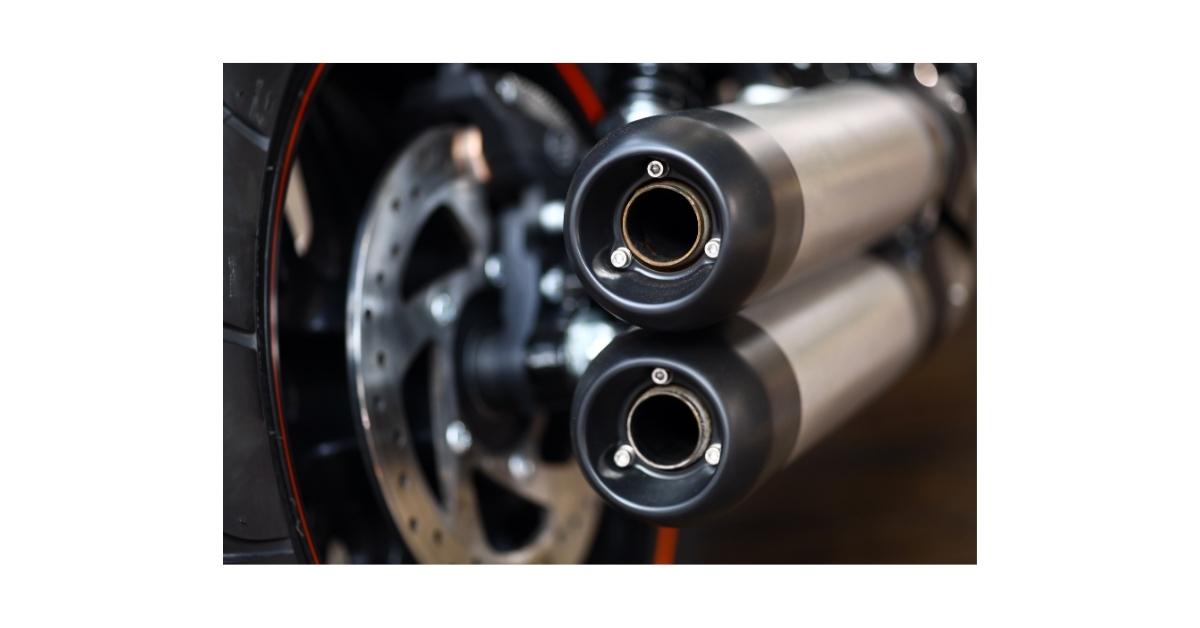
Exhaust Brands That Define Quality, Performance, and Reliability
Exhaust brands play a defining role in how a vehicle performs, sounds, and ages over time. While many drivers focus on engines or suspension upgrades, the exhaust system quietly influences efficiency, durability, and driving satisfaction. Choosing the right brand is not simply about logos or popularity; it involves understanding manufacturing standards, material quality, research investment, and real-world reliability. Established exhaust brands earn trust by consistently delivering products that balance performance gains with longevity and compliance.
In today’s market, Exhaust Brands range from OEM-focused manufacturers to aggressive performance specialists. Each brand targets a different driver profile, whether daily commuters, off-road enthusiasts, or track-focused tuners. Knowing how brands differentiate themselves helps buyers avoid mismatched expectations and ensures long-term satisfaction.
What Separates Premium Exhaust Brands from Budget Options
The most reputable exhaust brands invest heavily in engineering and testing. They use precise mandrel bending to maintain consistent pipe diameter, reducing turbulence and improving exhaust gas flow. This attention to detail translates into smoother sound characteristics and reduced backpressure. Budget brands often rely on crush bending and thinner materials, which may lower upfront cost but compromise durability and consistency.
Premium manufacturers also prioritize quality control. Weld integrity, flange thickness, and hanger placement are carefully inspected to ensure proper fitment across vehicle models. This reduces installation issues and prevents premature failures. Over time, these differences become apparent as high-quality systems maintain performance and appearance long after cheaper alternatives begin to corrode or rattle.
Materials Used by Leading Exhaust Manufacturers
Material selection is a key differentiator among exhaust brands. Aluminized steel systems are common in entry-level offerings due to affordability, but they are more susceptible to rust in harsh climates. Mid-range and premium brands frequently use stainless steel, particularly T304 or T409 grades, which offer superior resistance to heat and corrosion.
Some high-end brands incorporate titanium or Inconel alloys in specialized applications, prioritizing lightweight construction and extreme heat tolerance. These materials are often reserved for motorsports or exotic vehicles due to cost. The choice of material directly affects lifespan, weight, and sound characteristics, making it a critical consideration when comparing brands.
Sound Engineering and Brand Identity
Exhaust sound is one of the most noticeable differences between brands. Established manufacturers invest in acoustic engineering to fine-tune tone, volume, and resonance. They use internal muffler designs, resonators, and perforated cores to achieve a signature sound profile that aligns with brand identity.
Some brands focus on deep, refined tones suitable for daily driving, while others emphasize aggressive, high-volume output for performance enthusiasts. Lesser-known brands may lack this level of sound tuning, resulting in drone or harshness at highway speeds. Understanding a brand’s sound philosophy helps buyers choose systems that match personal preferences and driving habits.
Performance Claims Versus Real-World Results
Reputable exhaust brands support performance claims with dyno testing and data transparency. They often publish horsepower and torque gains measured under controlled conditions. While gains from cat-back systems are typically modest, consistency and drivability improvements are valuable indicators of quality engineering.
Budget brands may advertise exaggerated gains without supporting data, leading to unrealistic expectations. Established manufacturers focus on balanced improvements, ensuring that exhaust flow enhancements do not compromise low-end torque or fuel efficiency. This realistic approach builds long-term trust among consumers and professionals alike.
OEM Partnerships and Aftermarket Credibility
Many top exhaust brands maintain partnerships with original equipment manufacturers or supply components directly to automakers. These relationships demonstrate adherence to strict quality and emissions standards. OEM collaboration also means that aftermarket systems are designed with factory tolerances in mind, ensuring compatibility with sensors, hangers, and underbody layouts.
Aftermarket-only brands build credibility through motorsports involvement, endurance testing, and customer feedback. Their reputation often grows within enthusiast communities, where real-world experiences matter more than marketing. Both paths contribute to brand trust, but understanding a manufacturer’s background provides insight into product reliability.
Fitment Precision and Vehicle-Specific Design
One hallmark of leading exhaust brands is vehicle-specific engineering. Rather than offering universal systems, they design exhausts tailored to individual models and engine configurations. This approach ensures optimal routing, clearance, and sound tuning without requiring modifications during installation.
Poor fitment is a common complaint with lower-tier brands, leading to rattling, leaks, or contact with suspension components. Precision-engineered systems reduce installation time and minimize the need for adjustments. Over the life of the vehicle, this attention to fitment translates into quieter operation and fewer maintenance issues.
Compliance with Emissions and Noise Regulations
Reputable exhaust brands design products to meet regional emissions and noise regulations. Compliance is essential not only for legality but also for environmental responsibility. Manufacturers invest in testing to ensure that catalytic converter placement, sensor compatibility, and sound levels align with regulatory standards.
Non-compliant systems may offer short-term gains but risk fines, inspection failures, or long-term engine issues. Established brands understand these risks and balance performance with compliance, making their products suitable for street use in multiple markets.
Durability, Warranty, and Long-Term Value
Warranty coverage reflects a brand’s confidence in its products. Leading exhaust brands often offer multi-year or lifetime warranties, particularly on stainless steel systems. This commitment signals durability and reduces ownership risk.
Cheaper brands may provide limited or no warranty, shifting risk to the buyer. Over time, the cost of replacements, repairs, or reinstallation can exceed the savings from a lower initial purchase. Evaluating warranty terms alongside material quality helps determine true long-term value.
Brand Reputation and Community Feedback
Enthusiast communities, professional installers, and automotive forums play a significant role in shaping brand reputation. Brands that consistently deliver quality earn positive reviews and recommendations. Negative feedback often highlights recurring issues such as drone, poor fitment, or rust.
Researching user experiences provides insight beyond marketing claims. Reputable brands engage with communities, address concerns, and update designs based on feedback. This responsiveness reinforces trust and demonstrates commitment to continuous improvement.
Choosing the Right Exhaust Brand for Your Needs
Selecting an exhaust brand requires aligning goals with product offerings. Daily drivers may prioritize comfort, subtle sound, and longevity, while performance enthusiasts seek weight reduction and aggressive tone. Off-road applications demand durability and clearance, whereas luxury vehicles benefit from refined acoustics and premium finishes.
Understanding brand specialization helps narrow options. Comparing materials, sound profiles, warranty coverage, and compliance ensures that expectations match reality. A thoughtful selection process prevents disappointment and maximizes satisfaction with the upgrade.
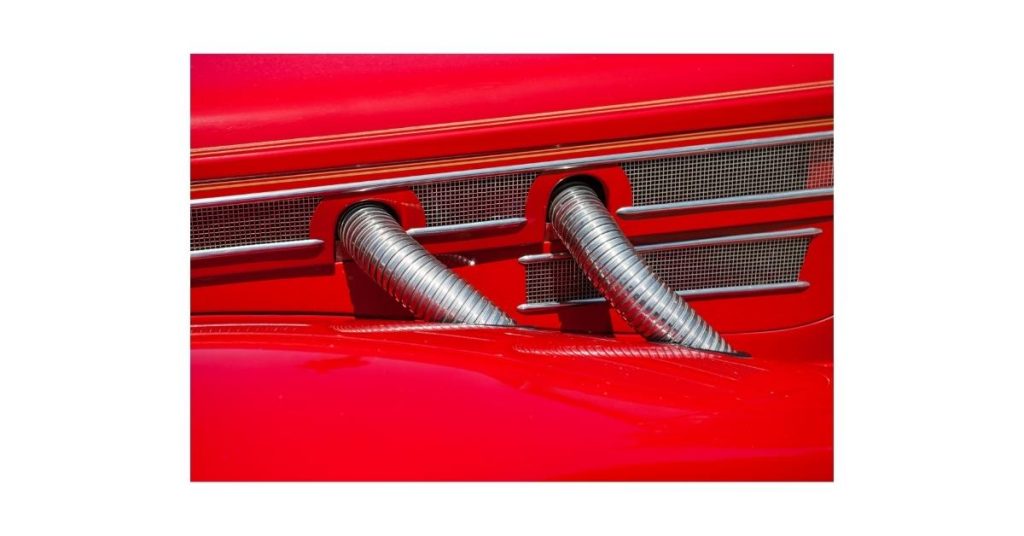
The Role of Innovation in Modern Exhaust Manufacturing
Innovation distinguishes industry leaders from followers. Advanced manufacturing techniques such as CNC machining, laser cutting, and computational fluid dynamics enable precise exhaust tuning. Brands that adopt these technologies deliver consistent quality and measurable improvements.
Additionally, sustainability considerations are becoming more prominent. Some manufacturers explore recyclable materials and cleaner production processes. This forward-thinking approach appeals to environmentally conscious consumers while maintaining performance standards.
Why Brand Selection Matters More Than Ever
As vehicles become more complex, exhaust systems must integrate seamlessly with sensors, emissions controls, and onboard electronics. Trusted exhaust brands invest in compatibility testing to avoid triggering warning lights or drivability issues. This integration is critical for modern vehicles with advanced engine management systems.
Choosing a reputable brand reduces risk and enhances ownership experience. Reliable performance, consistent sound, and long-term durability contribute to overall vehicle satisfaction. For buyers seeking authoritative guidance and in-depth comparisons, Exhaust Brands serve as a valuable resource for informed decision-making.
By understanding how exhaust brands differ in engineering, materials, and philosophy, drivers can make confident choices that align with their performance goals and driving lifestyle.